










































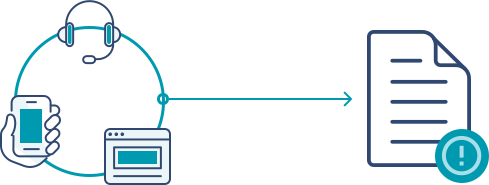
Cardholders can start a dispute wherever they already bank, whether that's in the branch, through the call center, in the mobile app, or on the bank's website. QFD surfaces key transaction details and asks the right questions up front, helping cardholders better understand what they're seeing before they file.
Fewer claims reach the queue at all.
AI automates more of the routine work across fraud investigations and billing disputes, so cases keep moving without as many manual touches. Your team can stay focused on the cases that need their judgment, while QFD automates things like provisional credit and chargebacks along the way.
Faster case triage and instant rule checking.

AI looks at past merchant and dispute data to help assess risk, then automatically checks whether chargeback rights apply. That helps recovery move faster, with your team still in control when human judgment is needed.
Recovery moves without waiting on a queue.

During the recovery process, QFD continues monitoring the account and recovery activity, so things like reversals, late merchant responses, or repeat patterns surface right away instead of showing up weeks later in a report.
Complete audit trails with zero manual overhead.